
A three-day power outage is manageable. A week with no grocery access, which is what follows a direct hurricane hit on the Gulf Coast, is a different problem entirely. The ReadyWise 120-Serving Emergency Food Supply bucket is a straightforward answer to that problem: shelf-stable entrees, sealed tight, no refrigeration, no guesswork. It replaces the Ready Hour 120-serving kit this review previously covered, which is no longer sold on Amazon.
What It Does
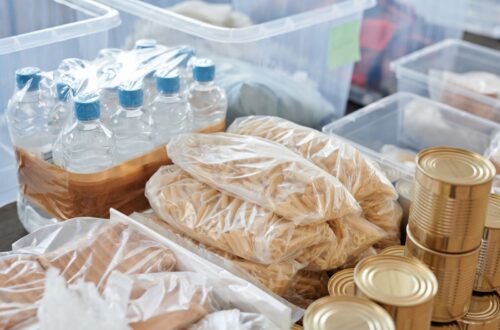
The ReadyWise bucket packs 120 servings of freeze-dried and dehydrated entrees into a single stackable bucket. Inside are individually sealed mylar pouches, each holding several servings, so you are not tearing open a new pouch for every meal. The menu leans on comfort staples: cheesy macaroni, lasagna, teriyaki rice, chicken-flavored noodle soup and similar entrees. Add hot water, wait a few minutes, eat. That is the whole process.
Two design details matter more than they sound. The bucket is stackable and sealed, so it can live in a closet, a garage shelf or the back of a vehicle, and ReadyWise rates the food for up to 25 years of shelf life under proper storage. And the lid is split: one half opens for quick access to the pouches while the other half stays sealed, and the removed section doubles as a tray. For a household working through an outage, that split lid is the difference between a bucket you can live out of and a bucket you have to empty onto the counter.
Why It Belongs in Your Kit
Gulf Coast storm prep is a seasonal checklist, not a hypothetical. When a storm knocks out power for five days across a region, the households with food that needs neither refrigeration nor a grocery run are in a completely different situation from the ones raiding gas station shelves. At the listed serving sizes this bucket covers roughly two weeks of entrees for one person, or about a week for two people eating reasonable portions. That is real coverage for a real event.
The pouch structure is what makes it practical. You can open one pouch, make a few meals, reseal it and leave the rest of the bucket untouched. There is no domino effect where opening one thing forces you to use everything quickly, which matters when you are rationing through an extended outage or a slow cleanup after a flood.
Beyond storm prep, a bucket like this makes sense for anyone with a cabin, a remote property or a bug-out plan that runs longer than 72 hours. It is not exciting food, but it is calories that require almost nothing to prepare: water and heat, and in a pinch many of these will rehydrate with cold water, just more slowly.
If you are comparing bucket sizes, see our ReadyWise 132-serving bucket review. Our guide to how long freeze-dried food lasts covers storage, and our roundup of emergency food bars and rations covers no-cook options for a go-bag.
Honest Limitations
The serving sizes are optimistic. ReadyWise counts 120 servings, and that is accurate as labeled, but the calorie counts per serving are modest, often in the 200 to 300 range. If you are counting on this as the only food for active adults doing physical work after a storm, you will burn through it faster than the math suggests. Plan for that, and read our two-week food supply guide for the calorie arithmetic.
The flavor is fine. Not gourmet, not cardboard, somewhere in the middle. Some entrees are genuinely decent; a few are bland enough that hot sauce belongs in your kit. Do not expect restaurant quality from freeze-dried food in this class.
Water dependency is real. Every meal needs water to rehydrate, and several need a good amount. If your emergency also involves a compromised water supply, which is common after flooding, sort out storage and filtration separately before you rely on this bucket. A two-burner propane stove and a few cylinders complete the setup.
How It Stacks Up
The closest in-house comparison is the ReadyWise 60-serving entree bucket: same brand, same pouches, half the volume. Buy the 60 if you are feeding one or two people and want a smaller first purchase; buy the 120 if you are provisioning a family or want two weeks of coverage in one container. Two 60-serving buckets cost more than one 120 and take up more space, so the larger bucket is the better value if you know you need it.
Mountain House assortment buckets deliver better-tasting meals and more calories per serving at a noticeably higher cost per serving, which makes them the pick when taste and calorie density outrank budget. The Augason Farms 30-day kit is the other mainstream option in this price class, with more breakfast and side-dish variety but a less convenient package. Our emergency food roundup compares all three side by side.
Who Should Buy This
This is a good fit for anyone building a two-week emergency food supply who wants something that does not require yearly rotation or careful pantry management. If you live in a hurricane zone, tornado country or anywhere that sees extended outages, one of these on the shelf is a straightforward call. It also suits anyone with a cabin or off-grid property who wants a food backup that simply sits there until needed.
If you want a daily meal replacement or a backpacking food solution, this is not it. The serving sizes and calorie counts are not designed for high-output activity, and the bucket format is not trail-friendly. Look at single-serving pouches from Mountain House or Backpacker’s Pantry for those uses.
Common Questions
How long does the food actually last?
ReadyWise advertises up to 25 years, which is achievable in a cool, dry place out of direct sun. In a hot Florida garage that number drops; anything consistently above 75 degrees shortens shelf life over time. A climate-controlled closet or interior room is the better home for it.
Do you need to cook these meals?
Most need hot water and 10 to 15 minutes to rehydrate. Some work with cold water in a pinch, just slower and with worse texture. A camp stove or propane burner paired with this bucket is a complete solution that does not depend on the grid.
Is 120 servings enough for a family?
For a family of four, 120 servings covers roughly 10 days at three servings per person per day, less if you adjust for the modest calories per serving. Most emergency planning guidance suggests two weeks of food on hand, so a family should plan on two buckets, or one bucket plus canned goods and other shelf-stable staples.
Does it taste good enough to actually eat?
Honest answer: it is decent. The pasta and rice entrees hold up better than the soups. It is not food you would choose on an ordinary Tuesday, but in an emergency, or on a camping trip where you test a pouch or two, you will not be forcing it down.
Bottom Line
The ReadyWise 120-Serving Emergency Food Supply bucket is a solid, no-fuss food backup for anyone who wants real shelf-life coverage without a large outlay. Go in knowing the servings run small and that you need a reliable water source to use it.
If it’s out of stock: the My Food Storage Breakfast Bucket is the nearest in-stock bucket by serving count (120 servings), but it is breakfast pouches only, so pair it with entrees.
Updated 2026-11-11: the ReadyWise 120-serving bucket was out of stock on Amazon, so we added an in-stock alternative.
Some links on this page are Amazon affiliate links. If you buy through them, Ultimate Prepper’s Guide may earn a small commission at no extra cost to you.