Medical preparedness is the part of hurricane planning most households get backwards. They buy a trauma kit they have never trained with and forget that the pharmacy will be closed for a week. They stock a tourniquet and run out of blood pressure pills on day four. The storm itself is a few hours. The medical problem is the ten days after, when the roads are blocked, the power is out, urgent care is dark, and whatever you did not plan for becomes the thing you are dealing with.
This guide lays out medical preparedness as layers, from the everyday kit you will open most often up to the trauma kit you hope never to open, then covers the parts that are not kits at all: prescriptions and insulin in an outage, training, sanitation and hygiene, insect protection, and the narrow case for potassium iodide. It links every medical review on this site where it belongs in the plan. It is not medical advice; where a figure or rule comes from an agency, the agency is cited and the limits are stated. This guide is one chapter of our Hurricane Preparedness Hub, and the hurricane kit checklist puts the items below on a single list.
Layer One: The Everyday First Aid Kit
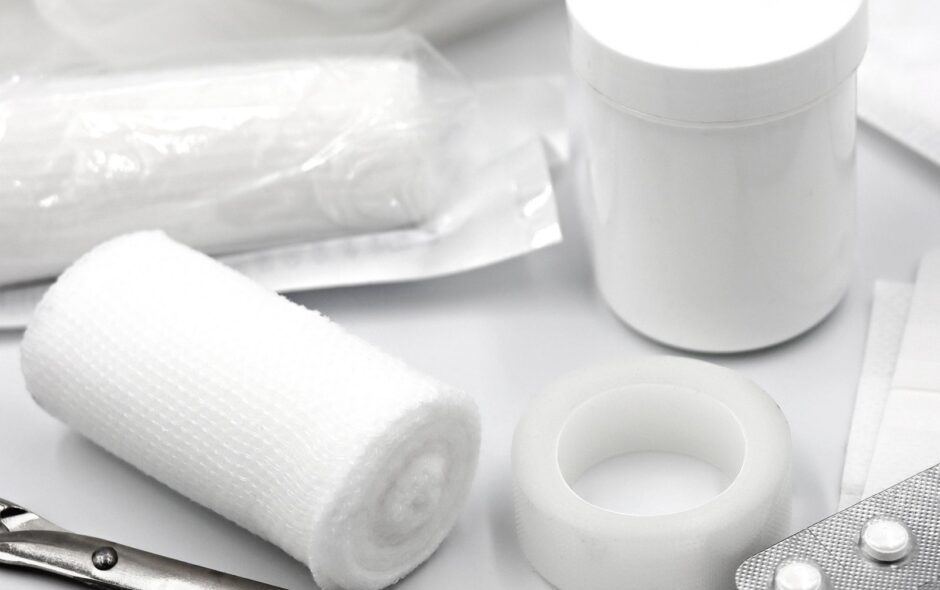
The first layer handles the injuries that actually happen: cuts, burns, blisters, sprains, a headache, an upset stomach. Ready.gov lists a first aid kit among the basic emergency supplies, alongside non-prescription medications “such as pain relievers, anti-diarrhea medication, antacids or laxatives.” This is the kit you will open during a storm week, often several times, and it should be stocked for a household rather than a day hike.
Our first aid kits roundup matches three kits to three scenarios. For the home and the vehicle, the SurviveX Large First Aid Kit is the pick: 240 pieces in color-coded compartments, with wound closure strips, burn care and a thermometer. For a pack or an evacuation bag, the Adventure Medical Kits Ultralight .9 is the waterproof lightweight option. Round out either kit with the over-the-counter medicines Ready.gov names; the 37-packet travel medicine kit we reviewed carries single doses of the common remedies without a shelf of bottles. The BleedStop first aid powder belongs here too, for the minor cuts of cleanup; our review is clear that it is not a trauma product.
Layer Two: The Trauma Kit
The second layer exists for the injuries that kill in minutes. The Department of Homeland Security states the problem plainly: a person who is bleeding can die from blood loss within five minutes. After a hurricane that bleeding comes from chainsaws, sheet metal, glass, nail guns and falls, worked by exhausted people with no ambulance nearby. The American College of Surgeons’ Stop the Bleed course teaches three responses: direct pressure, packing a wound, and applying a tourniquet. The trauma kit is the set of items that makes those three possible.
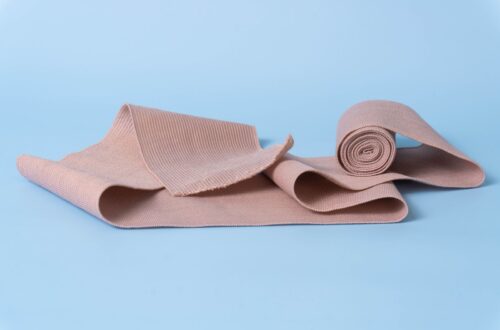
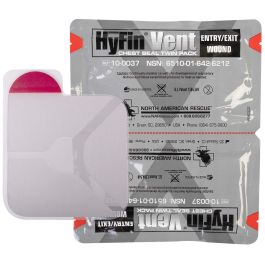
Our guide to building a Stop-the-Bleed kit walks through the contents, the order of priority, and how many kits a household needs. The components we review individually are the SOF Tactical Tourniquet, a windlass tourniquet of the type on the military’s CoTCCC recommended list; the Israeli-style pressure bandage, which holds pressure on a packed wound after your hands have to move; and the NAR HyFin Vent Chest Seal, a trained-user item for penetrating chest wounds that the basic class does not cover. For one purchase instead of six, the North American Rescue Eagle IFAK bundles a genuine tourniquet, a trauma dressing, chest seals, an airway and gloves in one pouch.
One rule governs this layer: the gear is incomplete without the class. A tourniquet applied in the wrong place does not work, a chest seal applied by guesswork can make things worse, and none of it replaces calling for help.
Medications and Prescriptions in a Hurricane
This is the layer most likely to matter and least likely to be planned. Ready.gov notes that “about half of all Americans take a prescription medicine every day” and that an emergency “can make it difficult for them to refill their prescription or to find an open pharmacy.” It tells evacuees to include medication in the go bag or car trunk and warns that supplies may be unavailable “for days or even weeks after a hurricane.”
How much to keep on hand. The CDC’s hurricane guidance speaks of “a week’s supply of medication” and tells people who evacuate to take their prescription medicines with them. Seven days is the floor; for a Gulf Coast household facing a possible two-week outage, 14 days is the sensible target. The CDC’s advice is to “talk to your doctor or pharmacist about how you can create an emergency supply of medicines,” and it notes that pharmacies “can dispense early refills of some prescription medicines when there’s an emergency declaration.” Early-refill rules vary by state and by insurer, and controlled substances are usually excluded. This is not legal advice: ask your pharmacist what your state and your plan allow, before hurricane season rather than during a watch.
Keep the paperwork. The CDC recommends a written list of your prescription medicines including “your diagnosis, dosage, frequency, medical supply needs, and allergies.” Put a copy in the kit and the vehicle and a photo on each adult’s phone; that list is what gets a prescription transferred at a pharmacy three counties away. Ready.gov’s kit list also includes “prescription eyeglasses and contact lens solution.”
Heat and refrigerated medicines. Insulin is the case that comes up most. The FDA says insulin should be refrigerated at approximately 36 to 46 degrees F, that it “may be left unrefrigerated at a temperature between 59°F and 86°F for up to 28 days and continue to work,” that insulin that has been frozen must not be used, and that “under emergency conditions, you might still need to use insulin that has been stored above 86°F.” It tells patients to verify the limits for their own product in the package insert or with the manufacturer. The CDC adds: keep insulin cool but never frozen, away from direct heat and sunlight, and discard insulin stored at high or low temperatures once the emergency is over. Ready.gov’s power-outage page says to “have alternate plans for refrigerating medicines or using power-dependent medical devices,” to talk to a medical provider about a power outage plan, and that medication that should be refrigerated should be discarded if power is out for more than a day, unless its label says otherwise, with a doctor or pharmacist consulted first. In practice that means a cooler and chemical ice packs in the kit, which the CDC lists, and a power plan for the refrigerator and any medical device such as a CPAP or oxygen concentrator. Our hurricane power outage checklist covers how to budget that power.
Training: The Layer That Makes the Others Work
Stop the Bleed. The American College of Surgeons course gives hands-on practice in applying direct pressure, packing a wound, and using a tourniquet. Most ACS courses last no longer than 90 minutes, there is typically no charge, and anyone can take one. Find a class through stopthebleed.org or the ACS course search at cms.bleedingcontrol.org/class/search. Take it before relying on a trauma kit.
CPR and basic first aid. The American Heart Association and the American Red Cross both run certified courses in most communities, many in a single evening. Cardiac arrest during a stressful cleanup week is more common than a penetrating wound.
Wilderness First Aid. A weekend course built around the assumption that definitive care is hours away, which is exactly what a hurricane creates in a suburb. The first aid roundup names the organizations that run them.
A reference book is the fourth item. The Survival Medicine Handbook is the one we reviewed; it complements training rather than replacing it, and paper keeps working when the phones do not.
Sanitation and Hygiene When the Water Is Off
The unglamorous layer prevents the most illness. Ready.gov’s kit list includes “soap, hand sanitizer and disinfecting wipes,” “moist towelettes, garbage bags and plastic ties (for personal sanitation),” and “feminine supplies and personal hygiene items.” The CDC’s after-disaster guidance is to wash hands with soap and clean water for 20 seconds, especially after contact with floodwater, before preparing food and after using the toilet, and to use an alcohol-based sanitizer of at least 60 percent alcohol only when soap and water are not available, because sanitizer does not work on visibly dirty hands.
Floodwater is the specific hazard. The CDC says to avoid floodwater if you have an open wound, to wash any wound well with soap and clean water, and to cover clean open wounds with a waterproof bandage; floodwater exposure by itself does not raise tetanus risk, but a wound contaminated by floodwater, soil or waste may call for a booster, a decision for a health care professional. Redness, swelling or oozing means seek care right away. The water side, including boil notices and filters, is in our post-storm water safety guide and the water storage guide.
Three products carry most of this layer. A portable folding toilet with bags and a gelling agent solves the problem that arrives the first morning the water main is dry. Toothpaste tablets keep oral hygiene going on a few sips of water. A gravity shower bag turns five gallons of stored water into a wash after a day of hauling debris in the heat. Add garbage bags, bleach for surfaces, and a hand-washing station (a jug with a spigot, soap and a catch basin) by the door everyone uses.
Insect Protection
Mosquitoes are a medical problem on the Gulf Coast after a storm. The CDC says an increase in floodwater mosquitoes is expected in the weeks after flooding, that most are nuisance species, but that the types that can spread viruses may increase about two weeks after a hurricane, especially where heavy rain fell without flooding. Its advice is an EPA-registered repellent containing DEET, picaridin, IR3535, oil of lemon eucalyptus, para-menthane-diol or 2-undecanone; long sleeves and pants; intact screens; and emptying, scrubbing, covering or discarding anything holding standing water about once a week, with water storage containers tightly covered.
Skin repellent is the baseline. For the porch and the yard, a spatial repeller adds a protected zone with no power needed, used only where its label permits, and nobody should settle in near a running generator’s exhaust; our Thermacell Fuel-ZoneGuard review covers what it protects and its limits, including that it is for outdoor use and does not replace repellent on skin once you leave the zone.
Potassium Iodide: Follow Public-Health Instructions
Potassium iodide (KI) appears on prepper lists far more often than it belongs there. The FDA says KI blocks the thyroid’s uptake of radioactive iodine, protects the thyroid only, “is not a general radioprotective agent,” and does nothing against other radioactive materials or external radiation. Local public health or emergency management officials will tell the public if there is a need to take it; it “should not be taken as a preventative before radiation exposure,” protects for approximately 24 hours per dose, and people with known iodine sensitivity should avoid it. FDA-approved products available without a prescription include iOSAT tablets in 130 mg and 65 mg, ThyroSafe 65 mg tablets, and a potassium iodide oral solution.
None of that applies to a hurricane. It applies to a household within the emergency planning zone of a nuclear plant, where state plans may recommend KI. If that describes you, our iOSAT potassium iodide review covers the FDA-approved tablet and why it stays sealed until officials say otherwise. If it does not, spend the money on the Stop the Bleed class.
A Household Medical Checklist
| Layer | Have before June | Check before a storm |
|---|---|---|
| Everyday first aid | Home kit, vehicle or pack kit, OTC medicines (pain relievers, anti-diarrhea, antacids), minor-cut clotting powder | Expired items replaced; kit restocked after last use |
| Trauma | Tourniquet, pressure bandage, hemostatic and plain gauze, gloves, shears, marker; chest seals if trained | Dates on every sealed item; tourniquet inspected for sun and wear |
| Medications | 7 to 14 days of each prescription, written medication list with dosages and allergies, spare glasses, cooler and ice packs | Refills requested at the watch, not the warning; list photographed; insulin storage plan confirmed |
| Powered devices | Power station or generator sized for CPAP, oxygen or nebulizer; utility medical-needs registration | Batteries charged; fuel on hand; device cables with the device |
| Training | Stop the Bleed, CPR, and ideally Wilderness First Aid for at least one adult | Refresher video watched; who-does-what agreed |
| Sanitation | Portable toilet with bags, soap, 60 percent alcohol sanitizer, garbage bags, bleach, toothpaste tablets, shower bag | Hand-washing station set up; waterproof bandages in the kit |
| Insects | EPA-registered skin repellent, screens repaired, spatial repeller and fuel for the porch | Standing water emptied; repellent in the go bag |
| Potassium iodide | Only inside a nuclear plant emergency planning zone, per state plan | Sealed; taken only if officials say so |
Common Questions
How many days of prescription medicine should I keep for a hurricane?
The CDC’s hurricane guidance refers to a week’s supply; seven days is the floor and 14 days the sensible target for the Gulf Coast, where pharmacies can stay closed for a week or more after a direct hit. Whether you can build that buffer depends on your state’s emergency refill rules and your insurer, so ask your pharmacist now.
Do I need a trauma kit if I have a good first aid kit?
They solve different problems. A first aid kit handles the common injuries; a trauma kit handles bleeding that can kill in minutes, which gauze pads cannot stop. A household that will be running chainsaws after a storm should have both and should have taken the Stop the Bleed class. The Stop-the-Bleed kit guide covers the contents.
Should a prepper keep potassium iodide?
Only if your state or local emergency plan includes it, which is generally the case inside a nuclear plant’s emergency planning zone; follow that plan and CDC guidance rather than treating distance from a plant as the only test. The FDA and the CDC are explicit that KI protects only the thyroid against radioactive iodine and should be taken only when public health or emergency officials instruct it; those officials set the timing, which can be shortly before or shortly after exposure. For a hurricane it has no role.
Bottom Line
Build the medical plan in the order the risks arrive. Start with a stocked everyday kit and the over-the-counter medicines from the first aid kits roundup. Sort out prescriptions, a written medication list and a cold-storage plan before the season, because that is the layer that fails most households. Take the Stop the Bleed class, then build the trauma kit from our Stop-the-Bleed kit guide. Stock the sanitation and insect layer. Put all of it on the hurricane kit checklist, and read the rest of the Hurricane Preparedness Hub for power, water, food and communications.
Some links on this page are Amazon affiliate links. If you buy through them, Ultimate Prepper’s Guide may earn a small commission at no extra cost to you.