A three-day power outage with no light options is miserable. A three-day power outage with a candle that lasts the whole stretch without dripping wax everywhere or dying halfway through night two is a different situation entirely. The Candlelife 115-Hour Emergency Survival Candle is one of the more practical light sources you can keep on a shelf, and it asks almost nothing of you: no batteries, no charging, no moving parts. It replaces the Sterno 100-hour candle we covered here before, which is no longer available.
What It Does
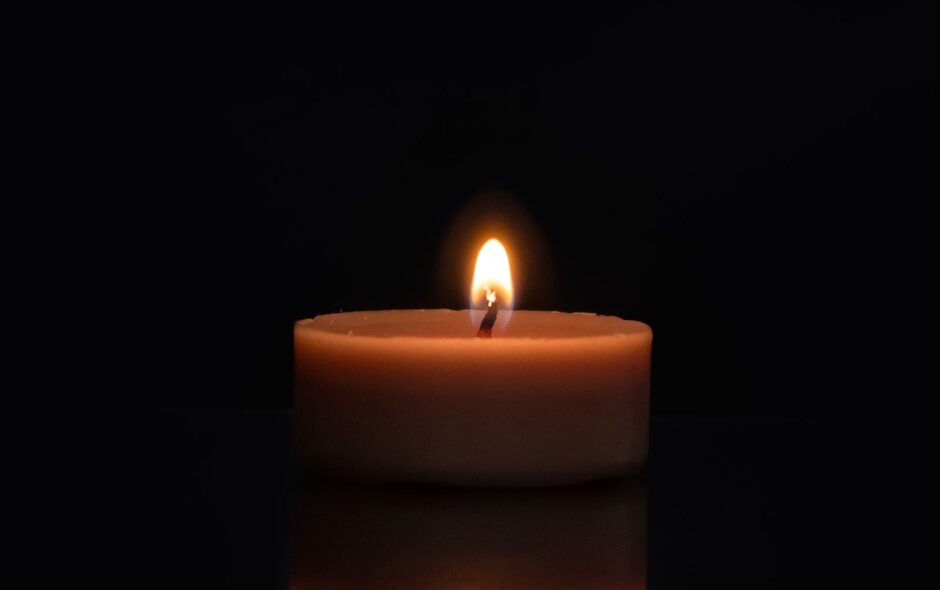
The Candlelife candle is a sealed container of liquid paraffin with a built-in wick, rated by the maker to burn for up to 115 hours. Because it burns liquid fuel from an enclosed reservoir rather than melting a block of wax, there is no pooling, no dripping down the sides, and no guttering when the flame gets low. Candlelife describes the burn as smokeless, odorless and drip-free, and the owner consensus agrees: it is a clean, steady flame that does not blacken ceilings or leave a scent in a closed room.
They are sold as a set of six, and the whole set weighs under five pounds. Light one, set it on a saucer or a tile, and you have a consistent low-level flame that puts out enough light to navigate a room, read close up, or keep a hallway from feeling like a cave. Cap it to extinguish it, let it cool, and it is ready for the next night. Burn time will vary with drafts and how often you relight, but even with real-world interruptions you are looking at days of usable light from a single candle.
Why It Belongs in Your Kit
On the Gulf Coast, power outages are not theoretical; they are annual. A tropical storm or a direct hurricane hit can knock out electricity for days, sometimes longer. Flashlights and headlamps are essential, but they eat batteries fast when they run for hours at a stretch over several days. A liquid paraffin candle does not care about your battery reserves. Once it is lit, it just keeps going, which makes it the right tool for the one job batteries handle worst: all-night ambient light in a bathroom or hallway so nobody walks into furniture at 3 AM.
Six candles at 115 hours each is roughly 690 hours of light. Burned one at a time for eight hours a night, that is close to three months of nights, which is more than any single storm will ask of you and leaves plenty for camping, a cabin, or handing a couple to a neighbor who did not prepare.
Beyond hurricanes, these are useful for car camping and cabin trips where weight does not matter, for a workshop or garage, and for a boat. They throw enough light to play cards or cook by, and nothing has to be charged before you leave.
We compare long-burning candles in our roundup of the best 100-hour emergency candles. For the rest of an outage plan, see 72 hours without power and our hurricane power outage checklist.
Honest Limitations
This is a light source, not a heat source. If your plan is to warm a room or keep pipes from freezing, a candle will not move the needle. The heat output is noticeable up close and irrelevant beyond that.
The light is soft. That is the trade-off with a single-wick flame: you get ambient, mood-lighting levels of illumination, not the kind of brightness that replaces overhead lights. You can read by it if you sit close, but it will not light a whole room. For task lighting, pair it with a headlamp and a battery lantern.
It is still an open flame. Keep it on a stable, non-flammable surface, well away from curtains, bedding, kids and pets, and crack a window in a closed room. Liquid paraffin burns cleaner than wax, but any combustion uses oxygen and produces a little carbon monoxide, so ventilation and a battery CO alarm are part of using one responsibly. And the fuel is a liquid: if a container is cracked or tipped before the cap is on, it can leak into a kit.
How It Stacks Up
The alternative most people consider is a UCO candle lantern, which burns standard candles inside a collapsible metal body. The UCO throws a bit more focused light and has a glass globe that protects the flame from wind, which makes it better outdoors. But its standard candles burn about nine hours each, so for an extended indoor outage you are burning through a stack of them or paying more for the long-burn versions. If you camp and need a lantern you can hang, the UCO wins. If you are stocking a storm kit and want the most hours of light per shelf inch, the Candlelife set is hard to beat.
Traditional wax emergency candles and tealights are cheaper per unit but burn for hours, not days, drip, and need a holder. Oil lamps burn even longer than the Candlelife and put out more light, but they need a separate fuel reservoir, a wick system and more care around spills. The Candlelife candle is the grab-and-go middle ground: liquid fuel performance with zero setup. For the full picture of where candles fit alongside headlamps, lanterns and glow sticks, see our emergency lights roundup.
Who Should Buy This
If you are building a hurricane kit, a power-outage kit or a cabin stash and you want reliable, long-duration light that does not depend on batteries or charging, this six-pack is a smart, low-cost addition. It is also a good fit for anyone who camps in fixed spots, base camps, cabins and car camping, where a steady ambient light beats fumbling with a headlamp all night.
If you are a backpacker counting ounces, skip it; the fuel is the weight and the light output does not justify carrying it over a small headlamp. If you need light bright enough to do detailed work, you want a lantern instead. And if there are small children in the house, decide in advance where the candles will sit and where they will not.
Common Questions
Does it actually last 115 hours?
In calm indoor conditions with the candle burning continuously, the rating is realistic. Most people burn one for a few hours at a time, cap it and relight it later. Each relight costs a little, but owners still report days of usable burn from a single candle. Drafts and airflow shorten it faster than anything else.
Is it safe to burn indoors?
Yes, with normal precautions: a stable non-flammable surface, nothing flammable nearby, never fully unattended, and some ventilation. Liquid paraffin burns cleaner than wax and does not produce dangerous carbon monoxide levels in a normally ventilated room, but a battery CO alarm on each sleeping level is cheap insurance when any flame or engine is in use.
How do you put it out?
Blow it out or cap it, then let it cool before it goes back in a bag or bin. Make sure the cap is seated so the fuel cannot leak in storage.
How many should I stock for a hurricane kit?
One six-pack covers most households for the season. Two candles running at once give you light in two rooms for the better part of a week; the other four are reserve, camping supply, or something to hand a neighbor.
Bottom Line
The Candlelife 115-Hour Emergency Survival Candle does exactly what it claims, without drama or accessories. For storm prep, power-outage kits, or any situation where you need light that works without batteries, a six-pack earns its shelf space.
Some links on this page are Amazon affiliate links. If you buy through them, Ultimate Prepper’s Guide may earn a small commission at no extra cost to you.