
The power goes out at the height of the storm, and for a few minutes it feels like a pause. Then the refrigerator starts a countdown you cannot see, the phones begin their slide toward empty, and a Gulf Coast house with no air conditioning turns into a humid box by noon. A hurricane outage here can run from a day to well over a week, and the first 72 hours are where decisions are made early and paid for late. Open the freezer once too often on day one and the food is gone on day two.
This guide is the hour-by-hour plan: what to do in each block of time, in what order, and why. It assumes you have the kit from our hurricane power outage checklist and that you stayed home because the forecast said you could. The food clocks come from the CDC and FDA, the generator rules from the CDC, and the gear from our own reviews. It is one of six guides in our Hurricane Preparedness Hub.
The Hour Before: While You Still Have Power
An outage during a hurricane rarely arrives without warning. When the warning is posted and the wind is still ordinary, spend an hour setting the clocks in your favor. Turn the refrigerator and freezer to their coldest settings and put an appliance thermometer in each; the FDA’s food-safety method rests on knowing whether the inside stayed at or below 40 degrees F, and a thermometer is the only way to know. Fill empty freezer space with containers of water, which hold the cold and become drinking water later.
Charge everything that takes a charge: phones, power bank, power station, headlamps, handheld radios. Fill the bathtub if you have a liner for it (a sealed bladder such as the AquaTank2; our water storage guide covers how much), stage the lights, and write the out-of-area contact’s number on paper.
Hours 0 to 4: Lock the Cold In
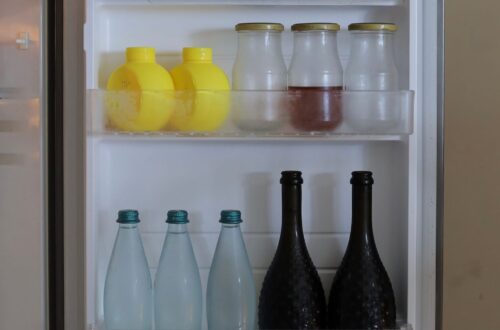
The lights go out. The first rule costs nothing and saves the most: do not open the refrigerator or the freezer. The CDC’s figures are blunt. A closed refrigerator keeps food safe for up to 4 hours without power. A full freezer keeps food safe for 48 hours, a half-full freezer for 24. Every time a door opens, warm, wet air pours in and those clocks run faster. Tape a note over the handles if your household needs the reminder.
Use the first hour for the things that do not involve the kitchen. Unplug sensitive electronics so a surge when power returns does not take them out, but follow Ready.gov’s advice and leave the refrigerator and freezer plugged in unless there is a risk of flooding. Switch phones to low-power mode. If the cell network is still up, send the first check-in text to your out-of-area contact and say when the next one is due; our emergency communications guide covers the text-first habit. Pick tonight’s sleeping room, the one with the best cross-ventilation, while there is daylight to judge it.
Hours 4 to 12: Light, Charge and Check In
Four hours in, the refrigerator clock has run out. If the thermometer inside reads 40 degrees F or below, the food is still fine. The CDC’s rule is to discard refrigerated perishables after 4 hours without power or another cold source, and to discard any perishable food held above 40 degrees F for more than 2 hours; never taste food to decide. With no thermometer, treat the 4-hour mark as the moment to move what you can save (hard cheese, condiments, whole fruit, anything still frozen solid) into a cooler with the frozen bottles, and leave the freezer shut.
Dusk is when lighting discipline starts. Set one area light in the room everyone is using (a D-cell lantern such as the UST 60-Day Duro needs no charging, only spare batteries) and give each person a headlamp or small light of their own, so nobody carries the lantern to the bathroom and leaves the room dark. A lantern with a built-in power bank, like the one in our rechargeable LED lantern review, does two jobs. If you light a liquid paraffin candle such as the Candlelife 115-hour candle, NFPA’s rules apply: put it out before anyone leaves the room or goes to sleep, never burn it overnight or in a bedroom, and keep it 12 inches from anything that can burn. Our emergency lights roundup compares runtimes so you can plan a rotation instead of running everything at once.
Charging follows a strict order: any medical device first (more below), then phones, because they are the alert channel and the camera that documents damage for insurance, then the weather radio if it charges by USB, and entertainment last, only from the big battery. A power bank like the Anker 60,000 mAh unit covers the small loads for the whole 72 hours if nobody streams video on it. A power station in the class of the EcoFlow DELTA 2 runs the fan, the CPAP and a phone-charging table for the neighbors; our backup power pillar explains how to size one. Before bed, send the evening check-in; if the network is gone, a GMRS handheld reaches a neighbor and a satellite messenger reaches the contact, the layered approach in our emergency communications pillar.
Hours 12 to 24: The First Night and the Freezer Check
The first night is about heat and sleep. A Gulf Coast house without air conditioning holds the day’s heat into the small hours. The CDC says electric fans provide comfort but will not prevent heat-related illness when the temperature is in the high 90s, and Ready.gov puts it as “do not rely on a fan as your primary cooling device.” A fan still makes sleep possible on a storm night in the 80s. A battery fan such as the Geek Aire 12 inch runs a night on its own pack; a corded fan on the power station is the alternative. Open windows on two sides once the wind drops, and take a cool shower before bed if the water is on and safe.
Drink before you are thirsty. The CDC’s heat guidance is to drink more fluids regardless of activity level, not to wait for thirst, and to go easy on sugary and alcoholic drinks. Check on anyone over 65, anyone with a chronic condition, and the kids; Ready.gov names older adults, children and people with chronic conditions as at greater risk from extreme heat.
At the 24-hour mark, open the freezer once, briefly, and read the thermometer. If the freezer was half full, its clock has run out; if it was full, you have another day. The FDA’s rule for anything you take out: food that still has ice crystals, or reads 40 degrees F or below, can be refrozen or cooked. Anything that has been above 40 degrees F for more than 2 hours goes in the trash, whatever it looks or smells like (CDC). Plan to cook the thawing meat on day two.
Day 2: Cooking, Fuel and Routine
Day two is when the outage stops being an event and becomes a routine, which is good, because routines prevent mistakes. Fix two check-in times with the outside contact, a charging window in the brightest part of the day, and a meal plan, and keep all three.
Cooking happens outdoors. Ready.gov’s rule covers every fuel-burning appliance in one line: generators, camp stoves and charcoal grills belong outside and at least 20 feet from windows. A two-burner propane stove like the Coleman Triton turns the thawing freezer into real meals, and the 16 ounce propane cylinders it runs on are the fuel to count before the season. When the fresh food is gone, the shelf-stable layer takes over: a freeze-dried bucket such as the ReadyWise 60-serving entree bucket needs only boiling water, and our two-week food supply guide does the calorie math.
If a generator is part of the plan, day two is usually when it starts, once the wind has stopped. The CDC’s placement rule is more than 20 feet from any window, door or vent, never inside a home or garage even with the doors open, with a battery CO alarm near every sleeping area. Our generator safety guide covers placement and refueling, our battery CO alarm review covers the alarm, and our generator sizing guide tells you which loads it can carry on the fuel you have. Run it in blocks (a few hours for the refrigerator and a recharge of the power station, then off) rather than around the clock. On this coast fuel is the limit, not the machine.
Day 3: Reassess Safety and Decide
By the third morning the full freezer’s 48 hours have run out, the fresh food is cooked or gone, the fuel count is real, and you know whether the water is safe, whether the roads are open, whether the utility has posted a restoration estimate, and how everyone is holding up in the heat. Follow Ready.gov’s advice to seek a location with power when heat becomes dangerous, whenever that happens, and reassess medical needs and the other hazards throughout the outage rather than waiting for day three.
Stay if the house is sound, the water is drinkable or you have enough stored, the heat is manageable overnight, nobody’s medical situation is slipping, and the utility’s estimate is days rather than weeks. Go if any of those is failing, or if the forecast puts another system behind this one. Ready.gov’s power-outage guidance says plainly to go to a community location with power if heat or cold is extreme, and on the Gulf Coast in September that means heat. The decision is easier when the car kit is already packed; our evacuation car kit guide covers it, and our guide to deciding whether to evacuate or shelter in place walks the same decision from the other direction, before the storm.
The Plan at a Glance
| Block | Food clock | Tasks |
|---|---|---|
| The hour before | Coldest settings, a thermometer in each, water bottles into the freezer | Charge everything, fill the tub, stage the lights, write down the contact number |
| 0 to 4 hours | Doors shut; refrigerator safe to 4 hours | Unplug electronics, low-power mode, first check-in text, pick the sleeping room |
| 4 to 12 hours | Refrigerator clock expires; anything still at or below 40 F goes to a cooler | Lighting rotation, charge in priority order (medical, phones, radio, the rest), evening check-in |
| 12 to 24 hours | Half-full freezer safe to 24 hours | Fan and cross-ventilation, hydrate on schedule, one brief freezer check at 24 hours |
| Day 2 | Cook thawing food that still reads 40 F or below | Outdoor cooking 20 feet from windows, generator in blocks with a CO alarm inside, fixed check-in and charging times |
| Day 3 | Full freezer holds about 48 hours if closed (CDC); check ice crystals and temperature before discarding | Count fuel and water, read the restoration estimate, decide: stay or go |
Medications and Medical Devices
This is the block that does not wait for a schedule. Ready.gov’s power-outage page says to find out in advance how long each medication can be stored at higher temperatures and to get specific guidance for any medication that is critical for life. It also says when to discard refrigerated medicine after a long outage, unless the drug’s label says otherwise, and to consult your doctor or pharmacist right away for a new supply. Insulin has its own rules, set out in the FDA’s Information Regarding Insulin Storage and Switching Between Products in an Emergency: how it should be stored, how long it can go unrefrigerated, never to use insulin that has been frozen, and that under emergency conditions you might still need to use insulin that has been stored above the recommended temperature. Follow your own product’s package insert and ask your pharmacist or prescriber. The CDC’s Managing Insulin in an Emergency adds: keep insulin cool but never frozen, and away from direct heat and sunlight.
For anyone on powered equipment (an oxygen concentrator, a CPAP, a nebulizer), Ready.gov’s advice is to talk to the doctor before the season about keeping it running in an outage and to ask the power provider for the priority restoration list. On the day, that device is the first load on the power station. Know its draw in watts and the station’s capacity in watt-hours; our solar generator roundup lists both for every unit we cover.
In winter the same three days run differently: our guides to food safety in a winter power outage and what to do when the power comes back on cover the cold-weather version and the restart.
Common Questions
Can I open the refrigerator just once to grab drinks?
Every opening shortens the 4-hour window, so plan around it: put the first day’s drinks and snacks in a cooler before the storm and keep the refrigerator for the food you intend to save. If you must open it, know what you want and close it fast.
Is the food safe if the power comes back on day two?
Only if it stayed at or below 40 degrees F, which is why the thermometer matters more than the clock. The FDA’s test for frozen food is ice crystals or a reading of 40 or below; refrigerated food that sat above 40 for more than 2 hours, or went 4 hours without power or a cold source, is discarded no matter how it looks or smells. The CDC’s rule: when in doubt, throw it out.
Should I run the generator all night for the fan?
No. A battery fan, or a fan on a power station, handles the night. The generator’s job is the refrigerator, the freezer and recharging the station in daylight blocks when someone is awake to watch it. Refueling a hot generator in the dark hurts people, and carbon monoxide hurts more.
Limits
This plan covers a household that stayed home with the power out and the structure intact. It does not cover flooding inside the house, which changes the food rules (the FDA says to discard any food that may have touched floodwater), the water rules (our post-storm water safety guide) and the stay-or-go decision, which becomes “go.” It is not medical advice; a pharmacist knows your prescriptions better than any guide. The food clocks assume the doors stayed closed.
Bottom Line
Seventy-two hours without power is three different days. The first is about not opening doors and charging in the right order. The second is about cooking the thaw outdoors, running fuel in blocks and keeping the routine. The third is about an honest decision made with real information. Build the kit from our power outage checklist, size the battery or generator with our backup power pillar and generator sizing guide, and keep the rest of the Hurricane Preparedness Hub within reach before the first watch is posted.
Sources
- Ready.gov: Power Outages
- FDA: Information Regarding Insulin Storage and Switching Between Products in an Emergency
- CDC: Managing Insulin in an Emergency
- Ready.gov: People with Disabilities
- CDC: Preventing Heat-Related Illness
- Ready.gov: Extreme Heat
Updated 2026-11-17: insulin and refrigerated-medicine storage figures now defer to the label, a pharmacist and the FDA and CDC; the candle line now follows NFPA: out before anyone leaves the room or goes to sleep, never overnight.
Some links on this page are Amazon affiliate links. If you buy through them, Ultimate Prepper’s Guide may earn a small commission at no extra cost to you.